
02 — Service
Stage Lighting Systems
Professional lighting systems that make performances visible, enhance the atmosphere of the stage, and respond to the rhythm and dynamics of the show.
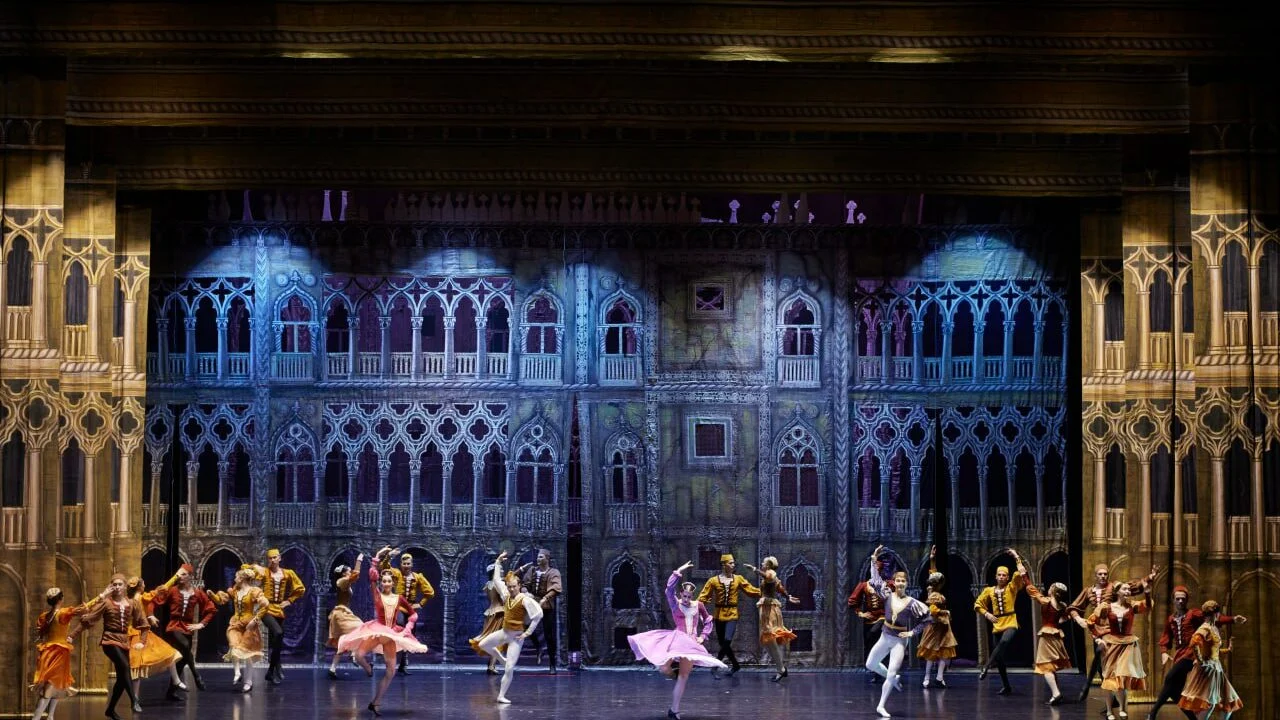
We design, engineer, and install stage lighting systems for theaters, concert halls, cultural centers, broadcast studios, and multipurpose performance venues. Each system is configured according to stage dimensions, intended use, technical infrastructure, and performance scenarios.
Professional Stage Lighting Systems
Professional stage lighting systems are not designed simply to provide sufficient illumination. Lighting must properly highlight performers, artists, and scenery while directing the audience’s attention and supporting the atmosphere of the performance.
Depending on the project, we integrate fixed fixtures, moving light systems, control units, and signal infrastructure into a unified system. This creates a safe, centrally managed structure that can adapt to different types of performances.
Stage Lighting Design
Every stage differs in width, height, audience configuration, and intended use. Therefore, stage lighting design should be developed specifically for the venue and its performances rather than based on a standardized fixture layout.
We plan lighting angles, fixture positions, color use, and control scenarios together. Our goal is to enhance performer visibility while preserving the scenery, stage depth, and overall visual atmosphere.
Stage Lighting Installation
Stage lighting installation involves not only mounting fixtures but also implementing the complete technical infrastructure of the system.
Our installation services include:
- +Planning suspension and rigging systems
- +Preparing power and data cabling
- +Positioning lighting fixtures
- +Installing signal distribution infrastructure
- +Connecting control systems
- +Testing, programming, and commissioning
We complete the entire installation with stage safety, maintenance access, and future system expansion in mind.
Theater Lighting Systems
Theater lighting systems require precise control capable of responding to storytelling and stage transitions. Performers, scenery, and different areas of the stage must be controlled independently.
Performer and Scenic Lighting
We create lighting angles that make performers’ facial expressions and movements clearly visible while preserving scenic texture and stage depth.
Stage Transitions and Lighting Scenes
We prepare lighting transitions to correspond with scene changes, converting intensity, color, and focus changes into pre-programmable lighting scenarios.
Quiet and Controlled System Operation
In theater environments, we consider fan, motor, and mechanical movement noise that could distract the audience and select equipment suitable for quiet and controlled operation.
Moving Light Systems
Moving light systems enable different directions, colors, patterns, and effects to be controlled from a single fixture. They create dynamic stage environments for performances ranging from concerts to theatrical productions.
Moving Head Lighting Systems
Moving head lighting systems can illuminate different areas of the stage from a centralized system thanks to rapid positioning and extensive programming capabilities.
Dynamic Lighting Movements
We program lighting movements according to the rhythm of the performance, performer positions, and stage transitions, creating controlled and repeatable movement scenarios.
Effect and Color Control
We develop stage lighting designs that support the visual language of the performance through color transitions, gobo patterns, beam effects, and intensity changes.
Concert Lighting Systems
Concert lighting systems must be designed for high-energy performances and long viewing distances. In addition to ensuring visibility across the entire stage, the lighting must work in harmony with the rhythm of the music and the energy of the performance.
Depending on stage scale, we specify moving lights, beam and wash fixtures, effect systems, and control infrastructure. We configure lighting scenarios to operate synchronously with music, video, and other stage systems.
How Are Stage Lighting Systems Designed?
When engineering stage lighting systems, we first analyze venue dimensions, stage height, rigging points, electrical infrastructure, and usage scenarios.
We then define fixture types, lighting angles, the lighting console, data lines, and power distribution. A detailed technical design ensures that installation follows a predefined system rather than relying on temporary on-site decisions.
Stage Lighting Control and Programming
Stage lighting control enables all fixtures to be managed centrally and synchronously. We program the system so that technical teams can operate it efficiently across different productions.
DMX and Network-Based Control Systems
We provide data communication and centralized fixture control through DMX and network-based protocols.
Cue and Stage Transition Programming
We convert lighting changes during a performance into cue structures and pre-program transition times and effects.
Synchronization with Audio and Video Systems
We integrate lighting systems with audio, LED displays, projection, and show control systems.
Where Are Professional Stage Lighting Systems Used?
Professional stage lighting systems can be used in:
- +Theaters and opera houses
- +Concert halls
- +Cultural and performing arts centers
- +Event venues
- +Broadcast and production studios
- +Multipurpose venues
For each application, we develop a system architecture based on usage intensity, stage configuration, and technical requirements.
Stage Lighting Installation Process
We carry out projects through controlled and measurable stages:
- 01Site survey
- 02Stage lighting design
- 03Technical engineering
- 04Installation and cabling
- 05System integration
- 06Programming
- 07Testing and commissioning
Following installation, we test all fixtures and control scenarios on-site and complete the necessary adjustments.
Why Is Professional Stage Lighting Design Important?
Incorrect lighting angles, insufficient stage visibility, uncontrolled glare, and incompatible fixture selection can weaken the visual impact of a performance. Limited control infrastructure can also make it difficult to manage stage transitions and different performance scenarios.
Professional stage lighting design ensures that the right equipment is used in the right location, the stage is illuminated in a controlled manner, and the system can adapt to long-term requirements.
Stage Lighting Solutions for Your Project
We evaluate the type of venue, stage dimensions, intended use, and existing technical infrastructure. We manage design, engineering, installation, programming, and commissioning within a single coordinated structure.