
03 — Service
Automation and Control Systems
Professional control solutions that manage audio, video, lighting, and room functions through a single interface—reliably, simply, and consistently.
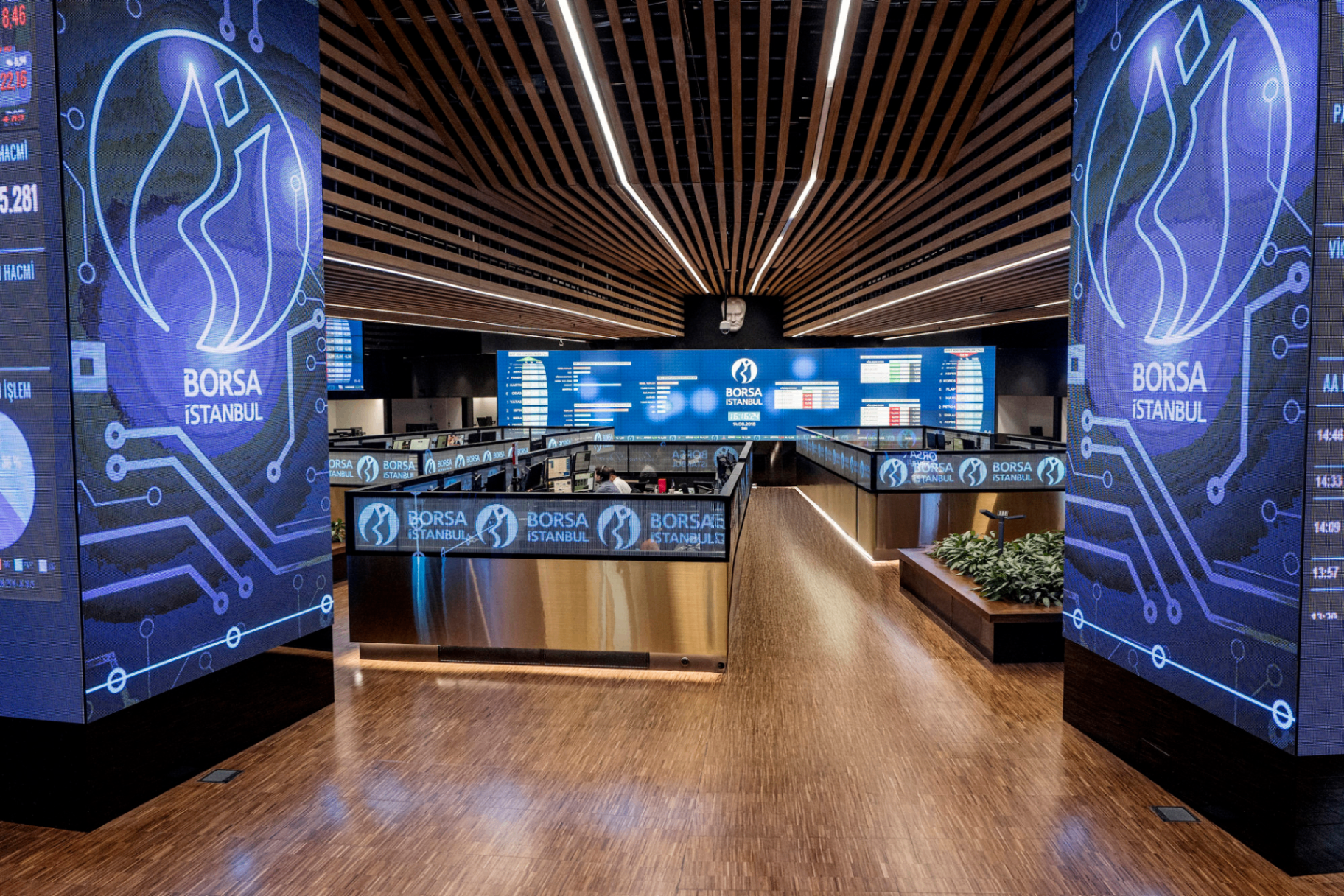
From meeting rooms and control rooms to broadcast studios and multipurpose venues, we design, program, and commission automation and control systems for a wide range of environments. Each system is configured according to how the space is used, the number of users, existing infrastructure, and required operating scenarios.
Professional Automation and Control Systems
Professional automation and control systems bring different devices together under a unified control infrastructure instead of requiring separate remotes and interfaces for each device.
Audio levels, video sources, displays, projectors, lighting, and other room functions can be controlled centrally. This simplifies complex technical operations, reduces user errors, and makes everyday operation faster and more intuitive.
AV Automation Systems
AV automation systems enable professional audio and video components to work together according to predefined operating scenarios.
Actions such as starting a meeting, launching a presentation, initiating a video conference, or shutting down a room can be performed with a single command. The system automatically manages displays, projectors, audio sources, and lighting according to predefined scenarios.
Centralized Control Systems
Centralized control systems enable different technologies within a space to be managed through a common operating platform.
This structure allows:
- +All devices to be controlled from a single interface.
- +Repetitive operations to be converted into automated scenarios.
- +Different authorization levels to be defined for different users.
- +System status to be monitored centrally.
- +The need for technical intervention to be reduced.
We design the control architecture to be simple enough for the venue’s everyday operational staff to use—not just technical specialists.
Touch Panel Control Solutions
A touch control panel allows users to manage the entire system through a clear and intuitive interface.
We design interfaces according to the way the space is used, keeping unnecessary technical details away from the user. Operations such as starting a meeting, selecting a source, adjusting volume, turning on a display, or selecting a lighting scene can be performed with a single touch.
Fixed wall panels, tabletop control units, and mobile control options can be configured according to project requirements.
Programmable Control Systems
Programmable control systems define how devices within a space behave according to specific conditions and user commands.
For example, when a “Presentation” scenario is selected, the system can simultaneously:
- +Turn on the projector or display.
- +Select the correct video source.
- +Set the audio system to the appropriate level.
- +Switch the lighting to presentation mode.
- +Operate screens, shades, or other room components.
This structure eliminates the need to repeat the same individual operations every time and establishes a standardized operating environment.
AV Over IP Systems
AV Over IP systems enable audio and video signals to be distributed over the network infrastructure.
Instead of traditional point-to-point connections, a scalable network architecture is established. This enables flexible routing between sources and displays while making it easier to add new areas or devices to the system.
When designing AV Over IP systems, we evaluate network capacity, latency, image quality, security, and centralized management requirements together.
Control System Integration
Control system integration involves enabling devices from different manufacturers and with different functions to operate seamlessly within a unified environment.
We connect control processors, touch panels, audio systems, displays, projectors, lighting infrastructure, and other building systems. We establish reliable communication between devices and program system behavior according to defined operating scenarios.
Audio Video Automation Systems
Audio video automation systems enable AV components to be managed centrally and synchronously.
Audio System Control
Volume levels, source selection, microphones, and zoned audio distribution can be managed through a single interface.
Display and Projection Management
Displays and projectors can be powered on and off, sources selected, and video routed according to predefined automation scenarios.
Integration with Lighting and Room Functions
Lighting, projection screens, blinds, and other room functions can be programmed to operate together with the audio and video systems.
Where Are Room Control Systems Used?
Room control systems can be implemented in spaces of different scales and applications:
- +Meeting and conference rooms
- +Control and operations rooms
- +Educational institutions
- +Broadcast and production studios
- +Congress and cultural centers
- +Executive and parliamentary chambers
- +Multipurpose venues
For every project, we develop a control architecture appropriate to the number of devices, user profiles, and operational requirements.
How Is an Automation and Control System Designed?
During the design process, we first identify the devices that need to be controlled and define the required operating scenarios. We then select the appropriate communication protocols, control processors, network infrastructure, and user interfaces.
Once the system design is complete, we proceed with software development, interface development, and on-site integration. This ensures that implementation follows a predefined technical architecture.
Automation and Control System Installation Process
We carry out the project through the following stages:
- 01Site survey and requirements analysis
- 02Definition of control scenarios
- 03System and network design
- 04Interface development
- 05Programming
- 06Control system integration
- 07Testing and commissioning
- 08Operator training and handover
Before handover, we test all scenarios under real operating conditions and finalize the interfaces based on user feedback.
Why Use a Centralized Control System?
Multiple remote controls, complex menus, and independently operated devices can lead to wasted time and user errors in everyday operation.
A centralized control system simplifies operations, makes scenarios repeatable, and enables more efficient use of the venue’s technical infrastructure. Managing systems from a single point also simplifies troubleshooting and technical support.
Automation and Control Solutions for Your Project
We evaluate the type of space, systems that need to be controlled, number of users, and required operating scenarios together. We manage design, programming, integration, testing, and operator training within a single coordinated structure.